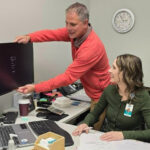
Celebrate Athletic Training Month By Preparing for the Upcoming Sports Season
Did you know that March is Athletic Training Month? The National Athletic Trainers’ Association set aside this month to spread awareness about how athletic trainers can help prevent injury and improve athletic performance.
To celebrate, the Therapy Solutions athletic trainers put together a checklist to help make sure you’re reading for the warm-weather sports season. Whether you’re a baseball player or a competitive swimmer, these tips can help you thrive as an athlete–and so can our team of athletic trainers.

10 Tips To Make Sure You’re Ready For Spring & Summer Sports
1. Start with a Functional Movement Screen
Before you engage in any sports activities, schedule a functional movement screen at Therapy Solutions. This will help pinpoint any movement patterns that might prevent you from functioning at your best. We’ll also suggest corrective exercises to address them.
2. Gradual Conditioning
If you’ve taken a break during the winter months, it’s crucial to ease back into your sports routine. Start with light exercises and gradually increase intensity to avoid injuries. Remember, your body needs time to adjust to the physical demands of sports activities.
3. Sport-Specific Training
Tailor your training to the specific demands of your sport. For example, if you’re planning to play tennis, focus on exercises that enhance agility, hand-eye coordination, and upper-body strength. Each sport has unique requirements, and your training should reflect that.
4. Focus on Mobility
Incorporate stretching, mobility work, and dynamic warm-ups into your daily routine. Mobility work, like a sports-specific dynamic warm-up, improves performance and decreases the risk of injuries.
5. Strengthen Your Core
A strong core is vital for almost every sport. Core strength improves stability, balance, and overall athletic performance. Our athletic trainers can guide you through a personalized core strengthening program.
6. Hydration and Nutrition
Proper hydration and nutrition are the fuel for your sports activities. Stay hydrated, especially in warmer weather, and eat a balanced diet rich in proteins, carbohydrates, and healthy fats. Remember to load up on fruits and vegetables for vitamins and minerals.
7. Invest in Quality Gear
Using the right gear is not just about performance but also about preventing injuries. Invest in suitable quality footwear that is appropriate to your sport, and consider gear like helmets, knee pads, or wrist guards where necessary.
8. Mental Preparation
Mental toughness is just as important as physical fitness. Find tools that can help you develop a positive mindset, set realistic goals, and use visualization techniques to prepare mentally for your sport.
9. Rest and Recovery
Your body needs time to recover after intense physical activity. Ensure you get enough sleep and consider rest days as a part of your training program. Overtraining can lead to burnout and injuries.
10. Learn or Refresh Skills
If you’re trying a new sport or haven’t practiced in a while, consider taking lessons or refreshing your skills. Understanding the basics and techniques can greatly enhance your enjoyment and performance in the sport.
Step Up Your Game: Embrace the Season with Health, Fitness, and Fun!
March is a great time to prep for spring and summer sports and learn how the Therapy Solutions athletic trainers can help you achieve your sports and fitness goals. We can help guide you through a balanced approach that includes physical fitness, mental well-being, nutrition, and proper rest.
Following these ten tips will help enhance your performance and help you enjoy a safer, more fulfilling sporting season. So, lace up your sneakers, grab your gear, and get ready to enjoy the best of spring and summer sports!

Say Goodbye to Pain – Get Started with PT Now!
Ready to feel your best again? Come back to Therapy Solutions and let us help you achieve your wellness goals—book your appointment today!
Lori’s Recipe:
Breakfast Pizza

- 1 lb browned sausage
- 1 pkg crescent rolls
- 5 eggs
- 1/4 c. milk
- 1/2 t. salt
- 1 c. frozen hashbrowns
- 1 c. cheddar cheese
- 2 T. parmesan cheese
Directions:
Unroll crescent rolls and press in 9×13” pan. Spoon sausage over crust, sprinkle frozen hashbrowns (thawed), sprinkle shredded cheese over hashbrowns. Beat together eggs, milk, and salt. Pour over top. Sprinkle on parmesan. Bake at 350 degrees for 25-30 minutes.

Staff Spotlight: Bobbie Johnson
Our very own Bobbie Johnson won the Best Counselor award in the 2025 Best of the Western Edge Readers’ Choice contest! Congratulations, Bobbie!
Bobbie graduated from the University of Mary in 2022 with a Master of Science in Counseling (LPCC). She has past work experience as the Community Outreach Coordinator at Dickinson High School, a Health Sciences Instructor at Dickinson High School, and as a nurse in various settings. Immediately after graduating, Bobbie joined the Therapy Solutions team providing mental health counseling.
Bobbie’s areas of expertise/specialties include:
- Couple’s Therapy
- Gottman Method Couples Therapy (Completed Level 2 Training)
- Anxiety
- Depression
- Trauma
- Person-Centered Therapy
- Cognitive Behavioral Therapy
- Narrative Therapy
- Emotion-Focused Therapy
- Trauma Focus-Cognitive Behavioral Therapy (TF-CBT)
- Eye Movement Desensitization and Reprocessing (EMDR)
Why Bobbie works for Therapy Solutions:
“I enjoy working at Therapy Solutions. I feel like the work atmosphere is nurturing and positive. It allows for not just clients but workers to build skills and establish helpful relationships for growth.”
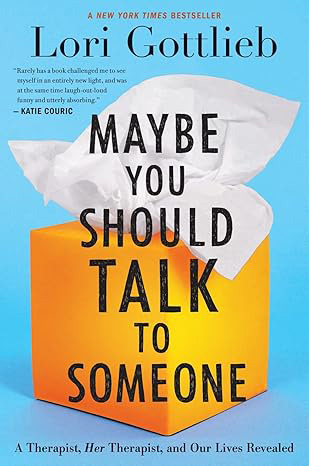
Staff Book Club: “Shelf Care”
Mental Health Book Recommendation
Maybe You Should Talk To Somebody
by Lori Gottlieb
5 stars ⭐️⭐️⭐️⭐️⭐️
“Through relatable anecdotes and practical wisdom, Gottlieb breaks down the power of therapy, vulnerability, and self-discovery. It’s a must-read for anyone curious about the healing process, or who simply wants a reminder that seeking help is a sign of strength. Lori Gottlieb reveals her journey as both a therapist and a patient. The book provides an intimate look at the emotional healing process, highlighting the universal struggles we all face, whether we’re on the therapist’s couch or the client’s.”
—Jennifer R, Mental Health Counselor

Fiction Book Recommendation
I Found You
by Lisa Jewell
5 stars ⭐️⭐️⭐️⭐️⭐️
“I am a Lisa Jewell fan and this one DID NOT disappoint. Lisa really layered on the action, alternating from past to present. Each chapter reveals the twisted truth a little at a time, and this book kept me guessing til the end! A stranger appeared out of nowhere, on a beach by Alice’s house. Alice is a single mom and is wary of the stranger, but finds out he actually cannot remember who he is, how he got there or anything about his life. So she takes him in and helps him solve the mystery of his life.”
—Lori, Billing
Thank You for Subscribing to Therapy Solutions

Mental Health & Athletes
The culture surrounding sports has long perpetuated a stigma around mental health issues. Athletes are often expected to be mentally tough, resilient, and able to push through any challenge. This expectation can create a barrier for those struggling with mental health issues, making it difficult for them to seek help or acknowledge their struggles. Playing sports does not make athletes immune to mental health challenges. With pressures to perform in the game, as well as in the rest of their public lives, being an athlete can be incredibly challenging for a person’s mental health. Student-athletes are pressured to maintain their classwork and grades on top of practice and games. When athletes get hurt, they receive time to heal, but what about when those injuries are invisible?
Athletes face unique challenges when it comes to their psychological well-being. Athletes, often viewed as paragons of physical health and strength, are not immune to the struggles of mental health disorders. The pressures and demands of competitive sports can sometimes exacerbate these issues. Depression, in particular, can have a significant impact on an athlete’s performance, personal life, and overall well-being.
Identifying depression in athletes can be challenging, as the signs and symptoms may sometimes be mistaken for normal stress or fatigue associated with rigorous training and competition. Signs of depression:
– Persistent feelings of sadness or emptiness
– Loss of interest in training or competition
– Changes in appetite or sleep patterns
– Difficulty concentrating or making decisions
– Physical symptoms such as fatigue or unexplained aches and pains
– Thoughts of self-harm or suicide
Several factors contribute to the development of depression in athletes. Understanding these risk factors can help in prevention and early intervention:
- Pressure and expectations: The constant demand for peak performance
- Transition and identity challenges: Post-college athletes, in particular, may struggle with the transition from a structured athletic career to life after sports. This shift can lead to a loss of identity.
- Social isolation: The demanding schedule of training and competition can lead to social isolation, limiting an athlete’s support network.
- Physical injuries: Injuries can have a significant impact on an athlete’s mental health. The frustration of being sidelined, fear of losing their position, and the physical pain associated with injuries can all contribute to the development of depression.
It’s important to remember that mental health challenges can affect anyone, regardless of their athletic achievements. By encouraging athletes to prioritize their mental well-being alongside physical performance, we can create a healthier and more supportive environment for all athletes. For more information on athletes and mental health, call Therapy Solutions at 701-483-1000 to talk to one of our mental health counselors and Take Your Life Back.
Our Patients Get Great Results
“I am having a great experience at this physical therapy clinic. The therapist is a professional and he is really helping me improve my strength and mobility on my foot.”
– Fernando G.
Write Your Own Success Story

Love your experience with Therapy Solutions? Click the button to leave us a Google review—your feedback helps others find the care they need!
In The Community: Thank You For Voting Us Best of the Western Edge Winners
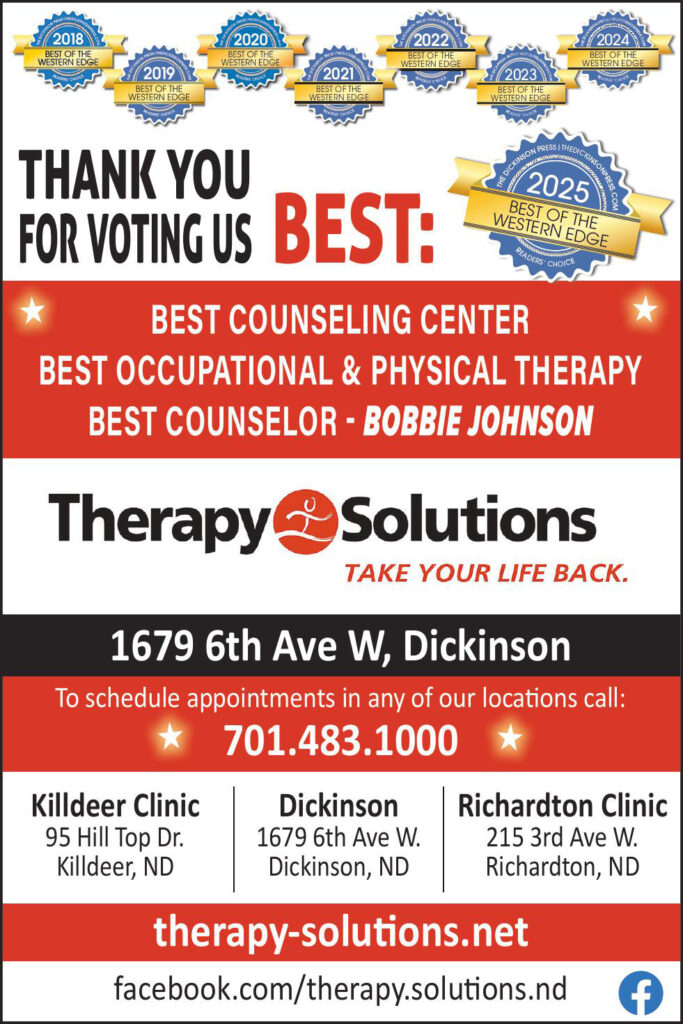
We are happy to announce that Therapy Solutions took home THREE first-place wins in the 2025 Best of the Western Edge contest:
- Best Counseling Center
- Best Occupational & Physical Therapy
- Best Counselor – Bobbie Johnson
Thank you to everyone who voted for Therapy Solutions and our amazing staff!
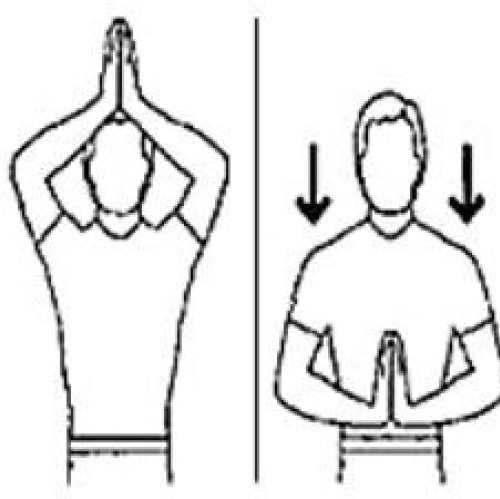
Ergonomics Stretch:
Finger/Wrist Flexor
-Place palms together overhead.
-Pull hands downwards.
-Gently pull palms apart.
-Hold for at least 10 seconds.
“Consider this stretch after prolonged or repetitive gripping of a closed hand position (i.e. hands on steering wheel). Concentrate on pulling palms away from your hands while keeping fingers touching. Feel that deep stretch into the palm area.”
-Jared Erie OTR/L
Congratulatory Corner:
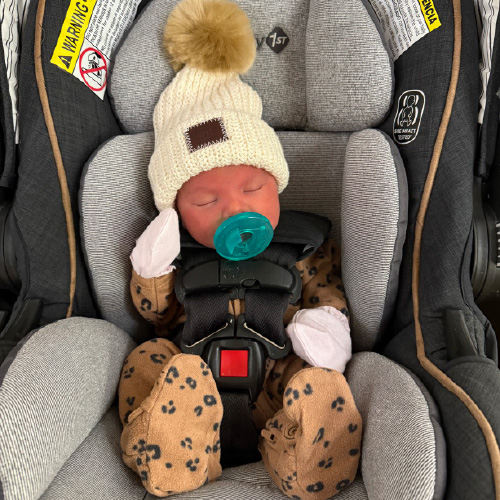
Welcome Eilee!
Chelsea Theiler (Occupational Therapist) welcomed a baby girl, Eilee Mae, on January 24th!

Follow Us on Facebook!
Meet Our Team

Jessie Binstock
DPT, Athletic Trainer

Terry Halverson
MOTR/L

Adrienne Belland
MS, OTR/L



Jared Erie
OTR/L

Eric Halverson
OTR/L, Occupational Health Manager
Terry Halverson
MOTR/L


Doug Jilek
Systems Manager


Jeanne Kilzer
MS CCC-SLP


Miranda Kuhn
MS, OTR/L



Jennifer Rosario
DSW, LCSW

Heidi Schmidt
PTA, Athletic Trainer






Emily Carda
Athletic Trainer