
Announcing Our New Service: Blood Flow Restriction Therapy!
If you’ve ever rehabilitated after an injury or surgery, you know that the process can take a while. Before you can get back to the activities you love, you have to restore any lost strength–but intense weightlifting is out of the question during recovery.
Fortunately, there’s an innovative solution: blood flow restriction (BFR) therapy. This technique uses specialized equipment to help you build strength and recover more quickly, even with injuries or conditions that limit traditional exercise.
Therapy Solutions is pleased to announce that we now offer BFR therapy at our clinic. Today, we want to explore this technique in more detail so you can decide if you might benefit.
Curious to learn more? Don’t hesitate to give us a call!

A Quick Overview of Blood Flow Restriction Therapy
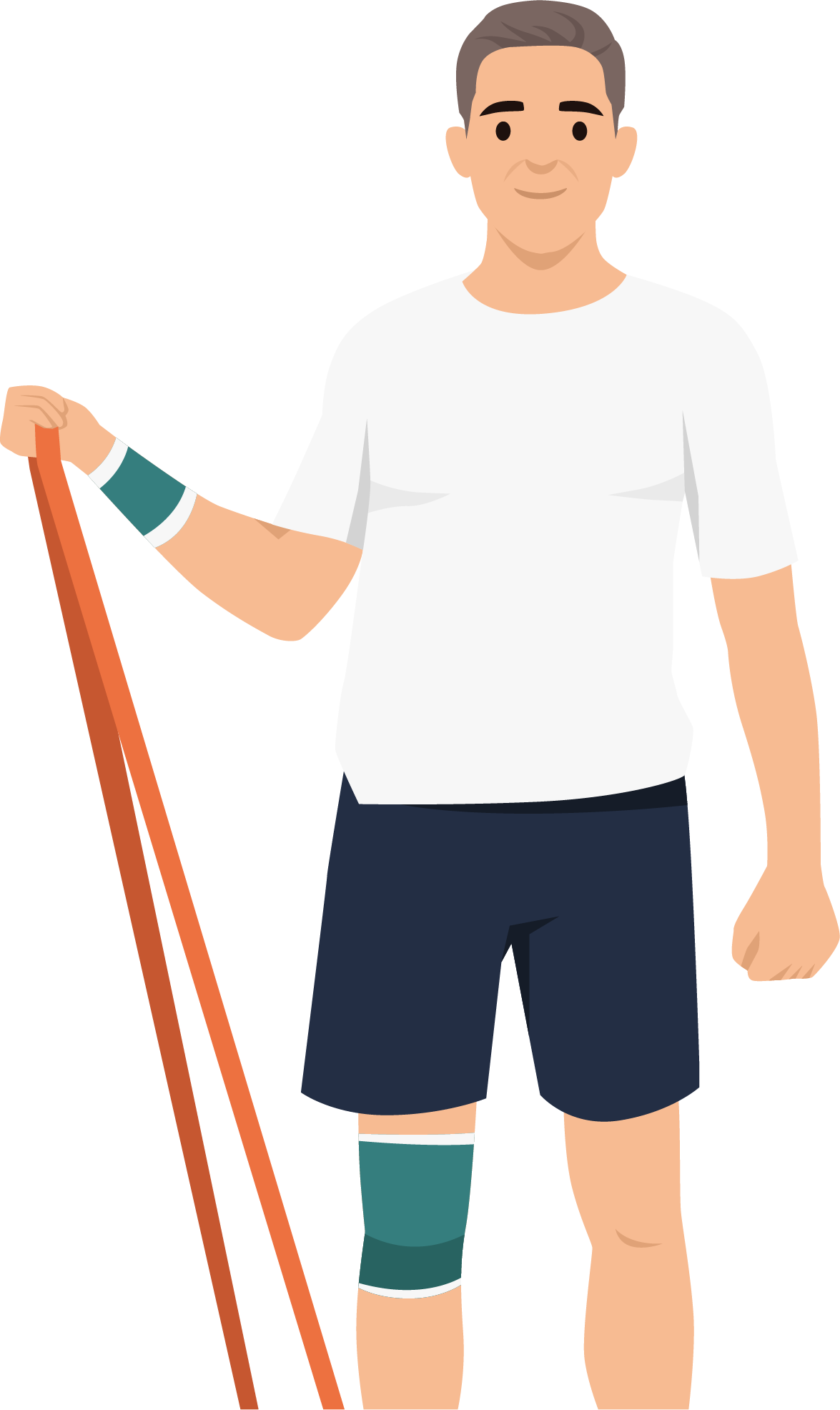
BFR therapy involves using a specialized cuff to partially restrict blood flow to a limb during low-intensity resistance training, giving you the benefits of heavy strength training without the use of heavy weights.
How It Works
- The cuff limits blood flow out of the working muscle but allows blood to continue flowing into it. This causes the muscle to fatigue faster, stimulating muscle growth and strength gains like in high-load training.
Why It Matters
- With BFR therapy, you can restore muscle strength and endurance without placing unnecessary stress on joints, tendons, or surgical sites.
Who Can Participate
- BFR therapy is safe for most people, including older adults or people with chronic conditions like arthritis. However, if you have heart disease, uncontrolled blood pressure, or clotting disorders, you may need to proceed with caution–our team can let you know for sure.
Why Consider Blood Flow Restriction Therapy?
BFR therapy offers many advantages for recovery, including:
- Accelerated muscle growth with lighter loads
- Improved strength without overstressing healing tissues
- Faster recovery times after surgery or injury
- Reduced joint strain compared to traditional strength training
- Enhanced endurance and muscle tone
By using lower resistance levels, BFR protects healing tissues while still allowing meaningful exercise. This leads to better outcomes without increasing the risk of further injury.
Who Can Benefit from Blood Flow Restriction Therapy?
Post-Surgical Patients
- For example, those rehabilitating after an ACL repair, rotator cuff surgery, or total knee replacement
Anyone Recovering from Orthopedic Injuries
- Including muscle strains, torn ligaments, or fractures
Arthritis Patients
- Especially those who can’t tolerate heavy resistance exercises
Athletes
- Especially those seeking to maintain strength during injury recovery
Older Adults
- Offers a way to safely improve strength without overloading your joints
Deconditioned Patients
- That is, anyone who has lost muscle mass due to illness or inactivity
What Can I Expect During My Sessions?
At Therapy Solutions, your safety and recovery are our top priority!
You’ll work with a certified professional trained in proper BFR protocols. We tailor every session to your medical condition, fitness levels, and overall goals. We also show you how to perform each exercise and monitor your vital signs and muscle response during therapy, ensuring you stay safe during treatment.
Here’s how everything works:
- We’ll fit a BFR cuff to your arm or leg, depending on the area you need to strengthen.
- We’ll carefully calibrate the cuff’s pressure to ensure safety and effectiveness. If the pressure ever feels too intense or uncomfortable, let us know! We can adjust as needed.
- You perform simple, low-load exercises like lifting light dumbbells or walking. Despite the light workload, many patients experience a “burn,” like in a more intense workout. Don’t worry–this just means you’re improving your muscle strength and endurance.
Most sessions last 15–30 minutes, depending on the treatment plan.
Start Stronger; Heal Faster
Blood flow restriction therapy might sound alarming initially, but it’s an excellent way to correct muscle loss after surgery, injury, or a chronic condition.
If you’re ready to find out if BFR therapy might be right for you, contact Therapy Solutions today to schedule your initial consultation.

Say Goodbye to Pain – Get Started with PT Now!
Ready to feel your best again? Come back to Therapy Solutions and let us help you achieve your wellness goals—book your appointment today!
Congratulatory Corner
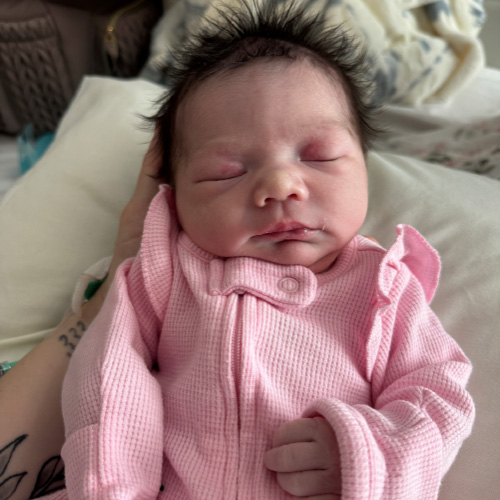
Tera Dutchak (Billing) recently became a grandma! Aurora Rose was born on April 10th. Tera shared, “She is incredibly perfect and being a Grandma is the absolute best thing ever!” Congratulations, Tera!
Thank You for Subscribing to Therapy Solutions
Staff Book Club: “Shelf Care”
Mental Health Book Recommendation
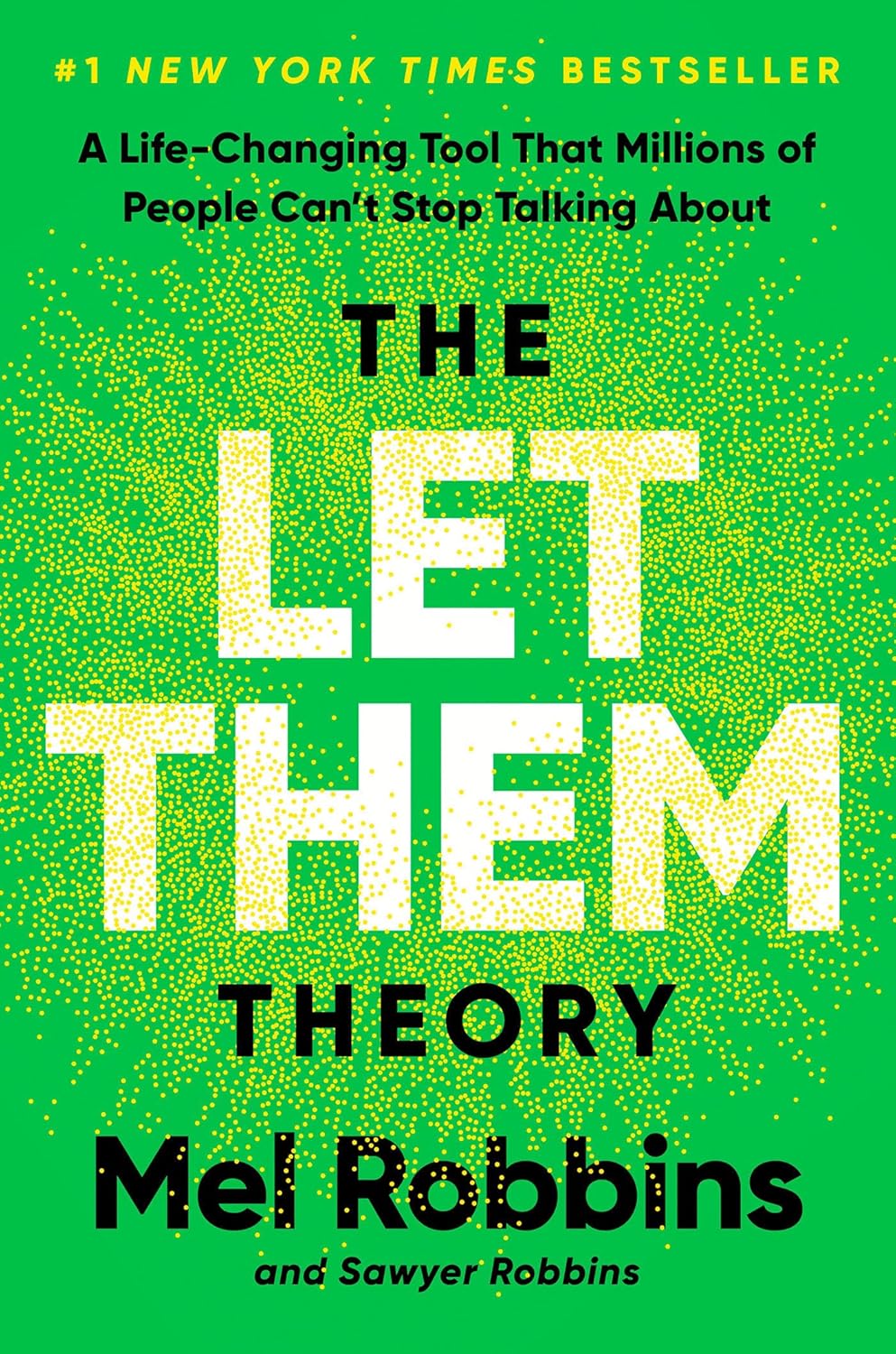
The Let Them Theory
By Mel Robbins
5 stars ⭐️⭐️⭐️⭐️⭐️
“I listened to this book and it was narrated by the author herself. At first I thought I wasn’t going to finish after hearing the words ‘let them’ a hundred times, but then she puts it into perspective of daily life, friends, marriage and even touches a little on parenting. The main point is that we can’t control what others do, but we can control what we do or how we act and respond. It’s a good reminder of letting go of the small things that we can’t change so it doesn’t ruin our day or even our relationships.”
— Haylee, Occupational Therapist

Fiction Book Recommendation
Rock Paper Scissors
By Alice Feeney
5 stars ⭐️⭐️⭐️⭐️⭐️
“Follow the Wrights on their 10 year anniversary trip to Scotland. The trip was won by what they thought was a random win. The weekend get away turns dark when they realize it was not actually a random win. To top things off, they are staying in an old chapel known to be haunted.”
—Lori, Billing
Staff Spotlight: Jennifer Rosario
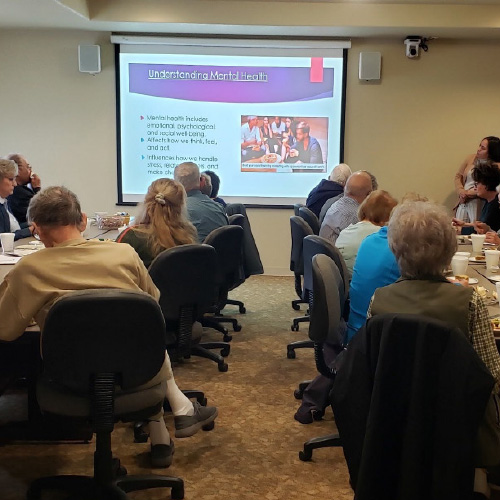
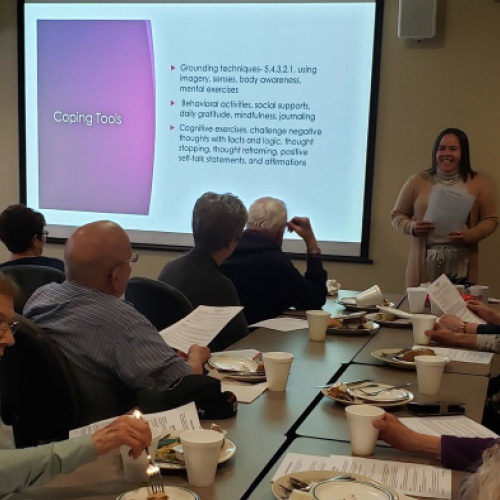
Jennifer Rosario (Mental Health Counselor) gave a presentation at Edgewood Hawks Point for their Lunch and Learn series on April 16th. The presentation was titled “Light Through the Darkness” and focused on the topic of “Seasonal Affective Depression & Grief.” During this talk, Jennifer shared her knowledge on mental health, depression, grief, and coping strategies, including the challenges that accompany them and the best ways to cope day to day.
If you are struggling with depression, grief, or any other mental health challenges, please contact Therapy Solutions today and Take Your Life Back!

Understanding Window of Tolerance
How This Can Help You Love and Be Loved
What is a window of tolerance? Your window of tolerance is the window of regulation. It’s the regulated state in which your nervous system can manage a wide range of emotions and distress without moving to a survival state.
When you are healing, you are expanding your window of tolerance (WOT) in order to be able to work through distressing emotions, tolerate discomfort, manage stress, and experience safety, security, integration, and connection. Your WOT will depend on your unique life experiences, present stressors, temperament, level of support, and genetics. Let’s take a look at what it means to have a wide window of tolerance versus a narrow window.
Wide Window vs.
- Prone to being more curious in the face of heightened emotions, and distress
- Slow to react/more responsive
- Able to regularly regulate distress
- Prone to feeling safety and connection
- Prone to being more present and attuned
- More compassionate and adaptive
Narrow Window
- Easily triggered/startled by triggers
- Quick to react and assume negative intentions
- Quick to become tearful
- Rapid mood swings
- Heightened hypervigilance
- Prone to physical pain/discomfort
- Prone to heightened anxiety
- Prone to emotional shutdown
- Avoidance and resistance
- Experience of emptiness
- Difficulty focusing and being attuned
Expanding Your Window of Tolerance Can Support Your Capacity to Love and Be Loved Because it Will Help You:
- Feel safer to engage in relationships, give of yourself, and also receive love.
- Assume positive intentions and be more curious in the face of conflict, stress, defense mechanisms, and emotional distress.
- Be more attuned to your internal world and the internal world of others.
- Be more patient and compassionate when people are not in their WOT.
- Have more capacity to co-regulate and help others return to their WOT.
Here is How You Can Expand Your Window of Tolerance (WOT):
- Be more present to the here and now using your 5 senses, breath and body awareness. If you catch your mind slipping into the past or worrying into the future, gently guide it back to the present moment
- Focus on the one task at hand. Limit multi-tasking and consuming too much stimuli.
- Name what you are feeling throughout the day. Expand your emotional vocabulary and attune to the shifts in your body and the parts that may be coming up.
- Regulate your body throughout the day, trying several different regulation strategies to work through your emotions and calm your body.
- Reach out for support and rely on others to help you regulate. A hug, walk, lunch date… can go a long way.
- Have a regular routine where you are connecting with yourself and others; or connecting with God for those of you who are believers of God.
- Identify what your boundaries are. Recognize your limitations and what will help you stay in your window of tolerance and what will quickly spiral you into survival mode
- Connect with more like-minded people.
Understanding that our incapacity to love and receive love well has very little to do with selfishness, badness, or some deep flaw within you. It has more to do with your body’s constant state of stress (fight/flight or freeze). So if you really want to love and feel more safe receiving love, try getting to know about your WOT. For support learning more about your WOT contact Therapy Solutions and make an appointment with one of our mental health workers and Take Your Life Back.
Write Your Own Success Story

Love your experience with Therapy Solutions? Click the button to leave us a Google review—your feedback helps others find the care they need!
Lori’s Recipe:
Cheesy Taco Soup

- 1 lb ground beef
- salt and pepper
- 10 oz can diced tomatoes with green chiles undrained
- 15 oz can black beans drained and rinsed
- 2 tbs butter
- 2 tbs gluten free flour
- 3 cups milk divided, 2% or higher milk fat recommended
- 6 oz freshly grated sharp cheddar cheese
Toppings: shredded cheese, tortilla chips, pickled jalapenos, chopped green onions, sliced black olives, pico de gallo, diced avocado, chopped cilantro
For Taco Seasoning
- 1 Tablespoon chili powder I use mild
- 2 teaspoons cornstarch
- 1-1/2 teaspoons cumin
- 1/2 teaspoon paprika
- 1/2 teaspoon garlic powder
- 1/2 teaspoon onion powder
- 1/2 teaspoon black pepper
- 1/4 teaspoon dried oregano
- 1/4 teaspoon salt
- 1/4 teaspoon cayenne pepper optional
Directions:
For the Taco Seasoning:
1. Add ingredients to a small bowl then stir to combine and set aside.
For the Soup:
1. Heat a large soup pot or Dutch oven over medium-high heat then add ground beef, season with salt and pepper, and brown, breaking it up as it cooks. Turn off heat then drain ground beef and add back into the pot along with the diced tomatoes and green chilies, black beans, taco seasoning mixture, and 1-1/2 cups milk. Stir to combine then set aside.
2. Heat a small saucepan over medium heat then add butter. Once melted, sprinkle in flour then whisk while cooking for one minute. Slowly stream in remaining 1-1/2 cups milk while whisking to create a smooth sauce. Season with salt and pepper then switch to a spatula and cook while stirring until the mixture has thickened, 3-4 minutes, being careful to not let it boil. Turn off heat then add half the shredded cheese and stir until smooth. Add remaining cheese then stir until smooth.
3. Add cheese sauce to the soup pot then stir to combine. Turn heat to medium-high then bring soup to a simmer, stirring often. Turn heat down to medium-low then simmer for 10 minutes, stirring often. Scoop into bowls then serve with toppings.
Ergonomics Stretch:
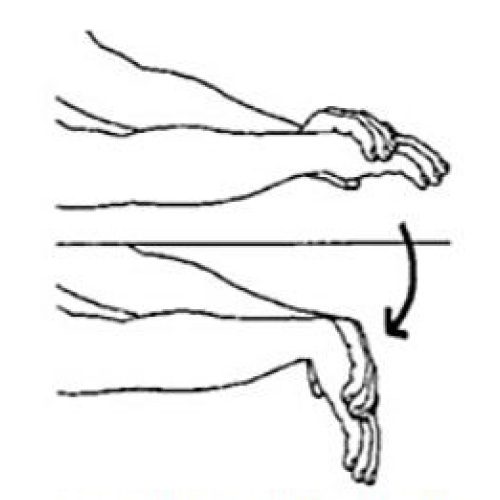
Wrist Extensor
-Position hand/palm down.
-Grasp hand with other hand.
-Keep elbow straight.
-Pull hand down, as shown.
-Repeat other side.
-Hold for at least 10 seconds.
“Focus on a deep, prolonged stretch to the forearm region, don’t bounce. If it seems too difficult to hold, start with the elbow slightly bent and then slowly attempt to extend the elbow. A progressive step to this stretch is to make a fist while slowly extending the elbow.”
-Jared Erie OTR/L
Follow Us on Facebook!
Meet Our Team

Jessie Binstock
DPT, Athletic Trainer

Terry Halverson
MOTR/L

Adrienne Belland
MS, OTR/L



Jared Erie
OTR/L

Eric Halverson
OTR/L, Occupational Health Manager
Terry Halverson
MOTR/L


Doug Jilek
Systems Manager


Jeanne Kilzer
MS CCC-SLP


Miranda Kuhn
MS, OTR/L



Jennifer Rosario
DSW, LCSW

Heidi Schmidt
PTA, Athletic Trainer






Emily Carda
Athletic Trainer